🇺🇬
About Uganda
Learn about the history, geography, and culture of this extraordinary East African nation — established 1962.
Learn about the history, geography, and culture of this extraordinary East African nation — established 1962.
Landlocked in the heart of East Africa, Uganda is a land of extraordinary diversity — in landscape, people, culture, and natural wealth.
Quick Facts
Geography
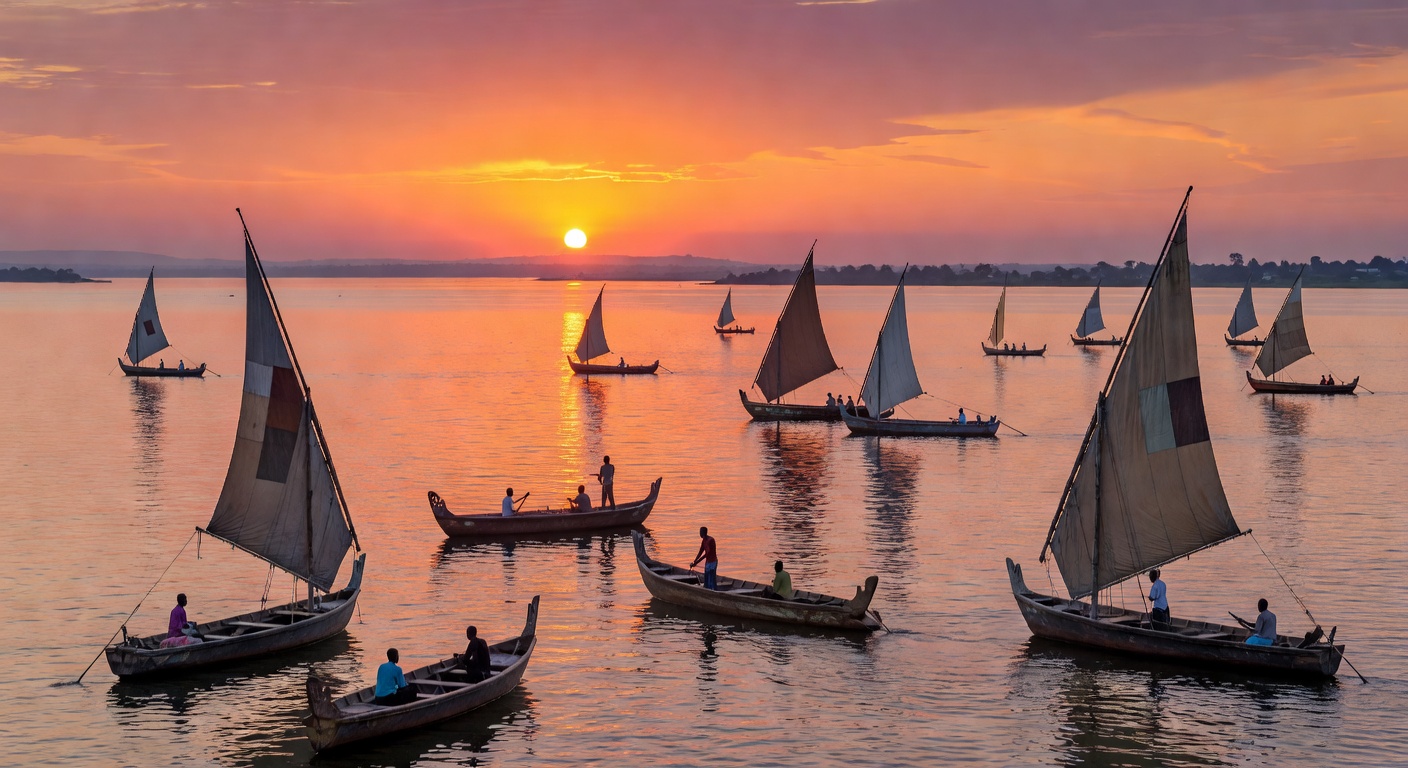
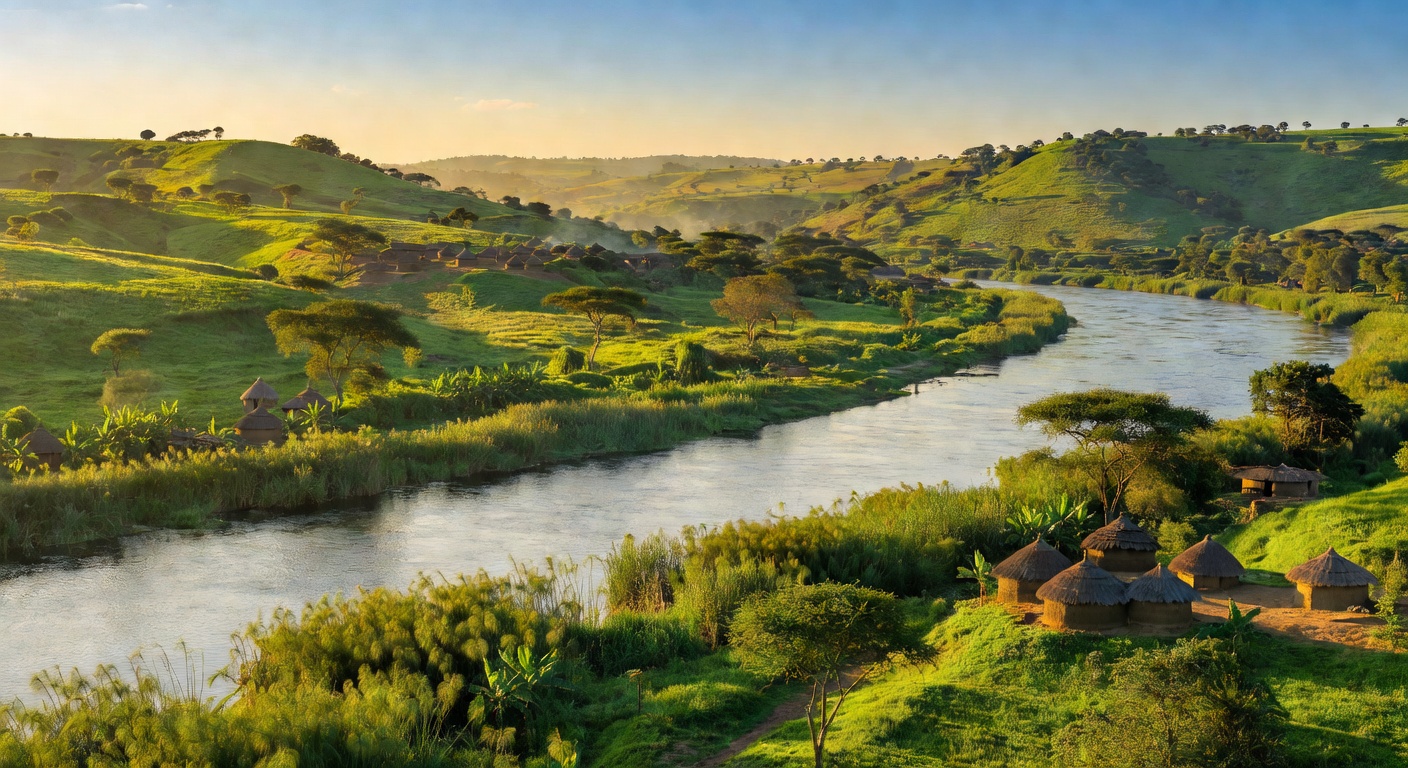
Uganda is blessed with remarkable natural geography, from Africa's largest lake to the "Mountains of the Moon."
History
Powerful kingdoms of Buganda, Bunyoro, Ankole, and Toro flourish across the Great Lakes region with sophisticated governance.
Uganda becomes a British Protectorate in 1894, bringing new infrastructure, Christianity, and significant social change.
Uganda gains independence from Britain. Milton Obote becomes first Prime Minister, beginning the modern republic era.
President Yoweri Museveni leads Uganda into sustained stability, economic growth, and growing regional influence.
Administrative Regions
Uganda is divided into four main administrative regions, each with distinct geography, culture, and identity.
Home to the capital Kampala and the powerful Buganda Kingdom. The economic and political heart of Uganda.
Rwenzori Mountains, Bwindi Impenetrable Forest, and the lush tea estates of Fort Portal district.
Mount Elgon, Sipi Falls, and fertile farmlands along the shores of Lake Victoria and into Karamoja.
Vast savannas, Murchison Falls, and the rich pastoral traditions of the Acholi and Langi peoples.
Languages
English and Swahili are official languages, while Luganda is the most widely spoken local language in the central region.